Helens Invalidated Chinese Trademarks Cause Stock Plunge, Single-Store Sales Under Pressure
Have you been to Helen's? Recently, the Chinese trademarks “Helens,” “Helens Pub,” and “Helens Yue Da Pai Dang” were finally ruled invalid by the court.
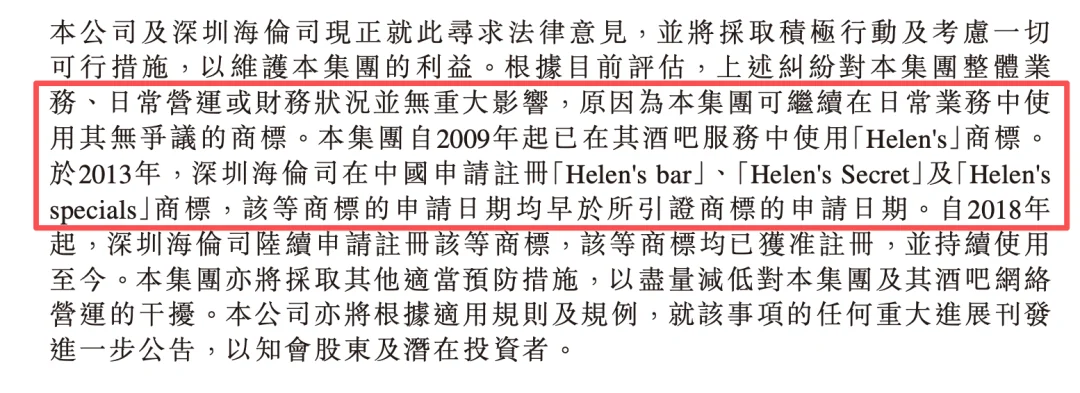
The announcement stated that according to current assessment, the dispute has no significant impact on the group's overall business, daily operations, or financial condition, and the group can continue to use non-disputed trademarks in daily business. However, compared with “losing the Chinese name,” the capital market is more sensitive.
Helens' Trademark Defense: Final Judgment Invalidates Chinese Marks
Helens, founded in 2009, first opened near Wudaokou in Beijing. Founder Xu Bingzhong said that in the early days, it mainly targeted foreigners and overseas students. In its early days, Helens used English trademarks like “Helen's” and applied for a batch of related English trademarks in 2013; its core Chinese trademarks were only registered starting in 2018.
According to public reports, the trademark dispute mainly occurred between Chengdu Helen Bloom Hotel Co., Ltd. and Helens. The other party successfully registered two “Helen” trademarks in 2016 under Class 43 for restaurant and bar services. On May 23, 2023, it filed an invalidation request with the CNIPA against the “Helens” trademark, and on August 7, 2024, against the “Helens Pub” and “Helens Yue Da Pai Dang” trademarks, claiming that the disputed trademarks and the two cited “Helen” trademarks constituted similarity on similar services, leading to confusion among service sources.
After a three-year tug-of-war, on June 25, Helens announced that the three Chinese trademarks were finally ruled invalid by the court. The announcement also said that the dispute has no significant impact on the group's overall business, daily operations, or financial condition, and the group can continue to use non-disputed trademarks.
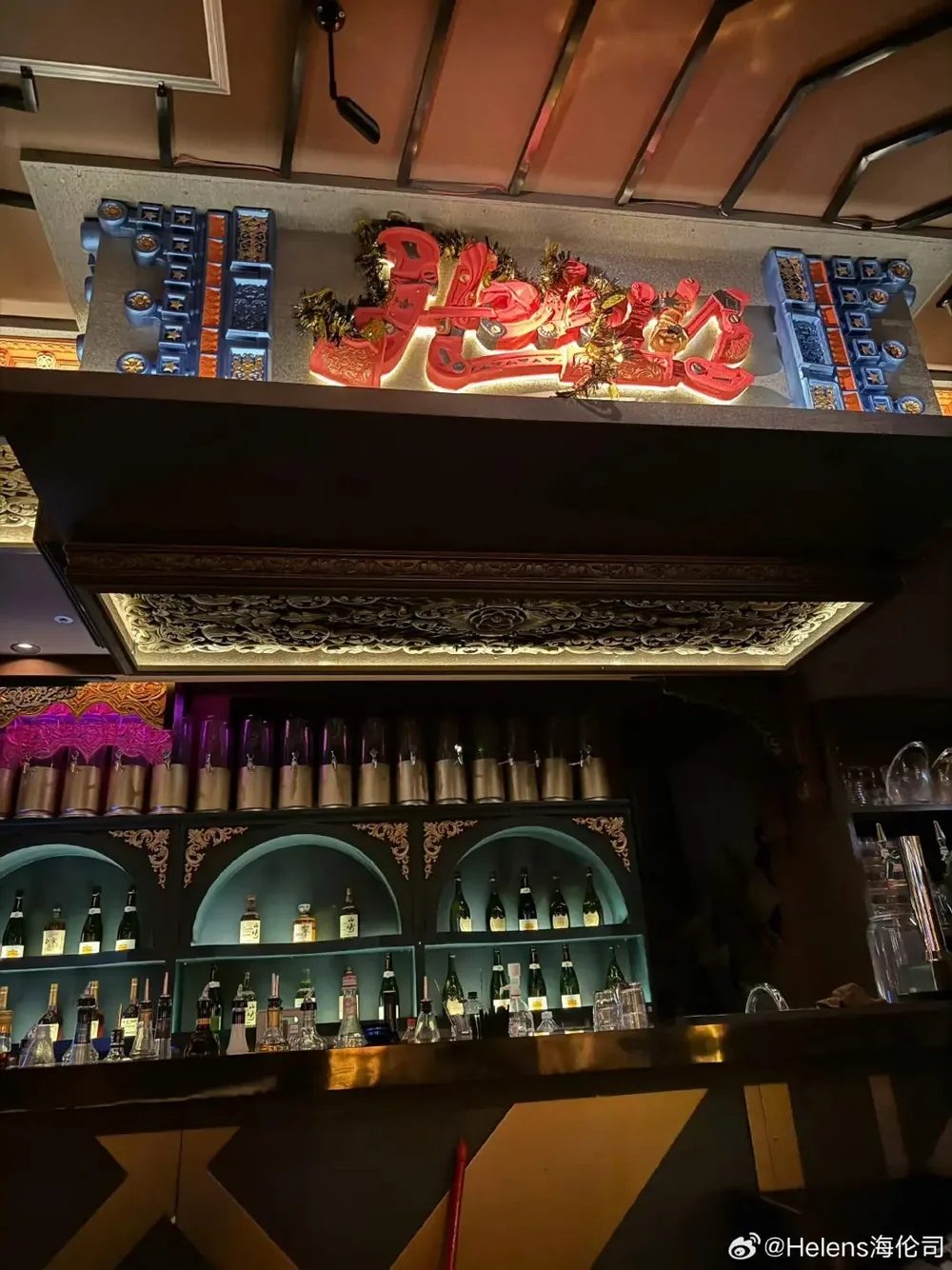
The reporter found that as of now, Helens' offline stores and online communication still use the Chinese name “Helens” and related expressions. The impact has not yet affected specific stores, but market sensitivity is higher.
Market Cap Shrinks Over 90%: Stock Price Declines After Trademark News
After the news was announced, the stock price opened lower on June 26, falling more than 6% intraday. By closing that day, Helens' stock price stood at 1.58 Hong Kong dollars.
Helens' market cap once reached 30 billion Hong Kong dollars in the year of its listing, but currently stands at only 2 billion Hong Kong dollars, a decrease of over 90%.
“The First Bar for Young People” No Longer Young: Expansion and Loss Pressure
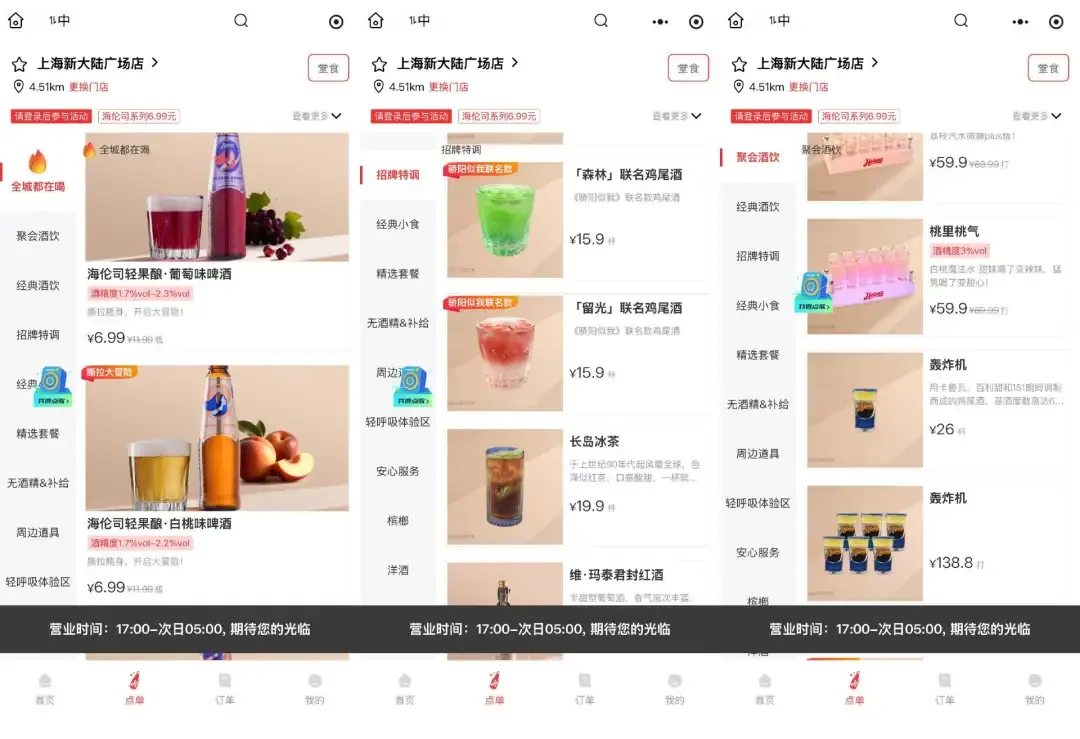
Helens' early stores were concentrated around university campuses, mainly serving foreigners and overseas students. Later, founder Xu Bingzhong changed the positioning to “an offline space for young people to freely communicate,” with an extreme cost-performance ratio: bottled beer sold at under 10 yuan, cocktails slightly more expensive but still around 20 yuan.
The “young people + cost-performance” model replicated quickly. By the end of 2021, Helens had 782 stores and was listed on the Hong Kong Stock Exchange in the same year with the halo of “the largest pub chain in China.”
According to the prospectus, revenue from 2018 to 2020 was 115 million yuan, 565 million yuan, and 818 million yuan, respectively; net profit was 9.734 million yuan, 79.136 million yuan, and 70.072 million yuan. Helens' self-owned beverage gross margin was above 70%, with self-owned beverages contributing over 60% of pub beverage revenue. At the same time, through factory direct procurement and economies of scale, Helens obtained relatively favorable purchase prices for third-party brand beverages.
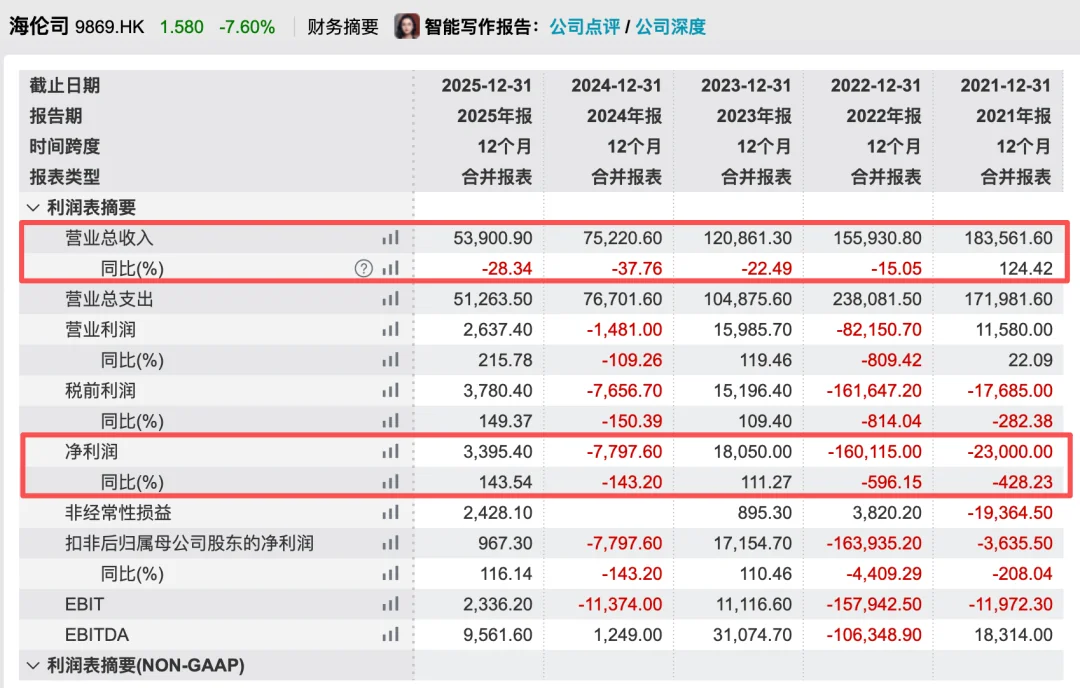
One of the advantages is scale. While expanding aggressively, Helens also faced surging store opening costs. Combined with the impact of the pandemic, Helens suffered a net loss of 230 million yuan in 2021; the net loss expanded to 1.601 billion yuan the following year. After accumulated losses exceeded 1.8 billion yuan, Helens began to close stores as self-rescue.
Financial data shows that as of the end of 2023, Helens had 479 pubs, a decrease of 288 compared to a year earlier; compared to the peak of over 850, a decrease of more than 40%. Meanwhile, Helens shifted from a fully direct-operated model to opening franchising, launching the “Hi-Pi Partner” program. At the start of the program, the minimum investment threshold was at least 600,000 yuan; by 2024, the threshold for new store types dropped to about 400,000 yuan.
Bistros Everywhere: Tough Business, Low Daily Revenue for Franchise Stores
The transformation measures brought some effects. According to the 2025 annual report, Helens' full-year revenue was 540 million yuan, a year-over-year decrease of 28.3%; net profit attributable to shareholders was 33.954 million yuan, successfully turning losses into profits. The proportion of self-owned beverage income and gross profit margin increased year over year, and the store-level contribution gross margin rose to 73.77%, with overall operating conditions improving compared to the previous year.
However, the decline in single-store daily sales remains a real pressure. In 2025, the same-store single-store daily sales for directly-operated and licensed partner stores were 8,500 yuan, a year-over-year decline of over 18%; the overall daily sales for single partner stores were only 4,100 yuan, with daily sales for all store types declining across the board. In the dining track, single-store daily revenue often exceeds 10,000 yuan, but Helens' main franchise store types earn relatively little.
Meanwhile, nearly 70% of Helens' stores are located in third-tier and below cities, putting pressure on profitability.
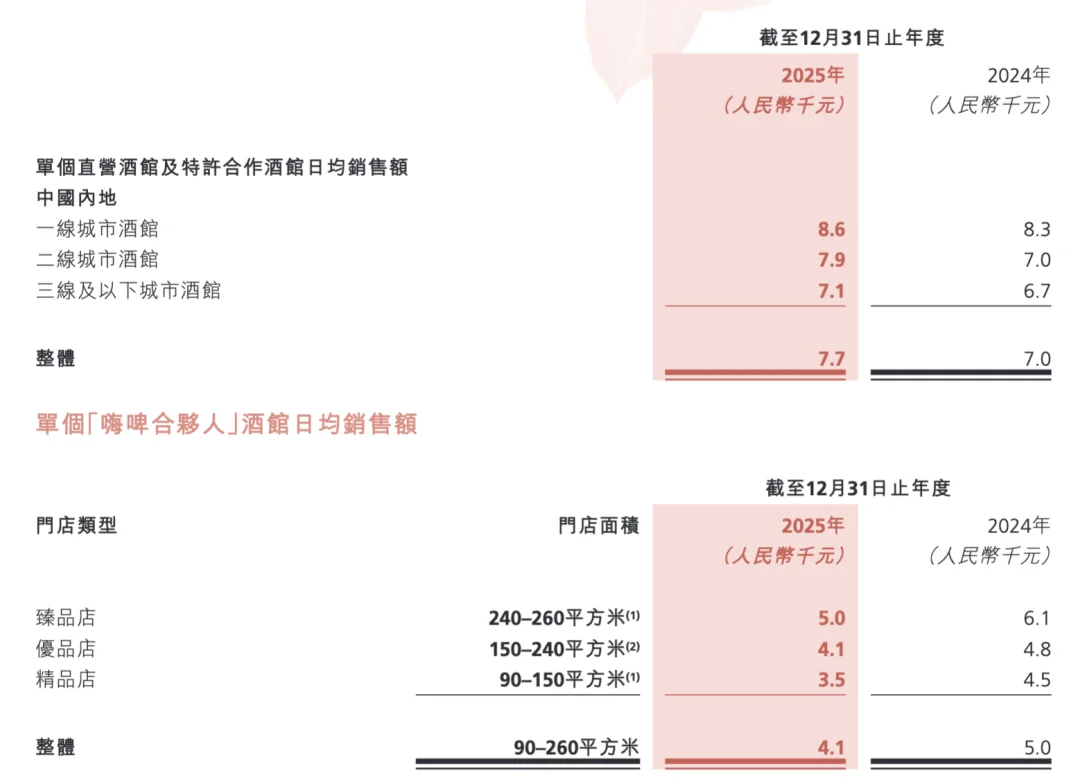
On the other hand, young people have more drinking venue options, and the appeal of low prices is weakening. According to Zhaomen Canyan, more than 38,000 new pubs opened in the past year. From home bars, craft beer pubs, livehouse-style pubs to various bistros, consumption scenes are becoming more fragmented and diverse.
Among them, bistros operating “food + drink” have risen strongly in recent years. For example, the bistro brand Huanshi, which operates “food+drink,” has seen rapid development. Its parent company, Extreme Thing Thinking, submitted a prospectus to the Hong Kong Stock Exchange in January this year. Huanshi has over 100 stores in China, with revenue exceeding 1 billion yuan in 2024.
Unlike Helens, which opened the market with low prices and scale, Huanshi takes a different path: an atmospheric environment, higher pricing, and average per capita consumption exceeding 100 yuan. On social platforms, the impression of Huanshi is “beautiful food.” Disclosed information shows that in the first nine months of 2025, its single-store daily average sales were 29,880 yuan.
Huanshi extends operating hours to over 18 hours by offering brunch, afternoon tea, dinner, and evening drinks market, thereby improving single-store utilization efficiency and operational benefits. In the first nine months of 2025, beverages and drinks contributed about 45% of operating revenue, of which 85% were alcoholic beverages; gross margin was about 68.7%, higher than the industry average.
However, Huanshi also faces challenges: high store costs compress profits, and consumer complaints about the taste and quality of dishes may affect reputation.
Chinese food industry analyst Zhu Danpeng believes that similar to the coffee track, brands at low, medium, and high levels each have their own market. For pubs, the industry is in a rapid expansion phase, but overall concentration is not high. Perhaps after another 5 years, driven by capital and consumption dividends, the market will see leading brands and a clearer competitive landscape.
The core factors influencing brand trends are not only pricing but also brand effect, scale effect, fan effect, supply chain completeness, and single-store operation capability. Strategies should be differentiated due to different store locations.
For Helens, the real challenge may be how to operate each store well.